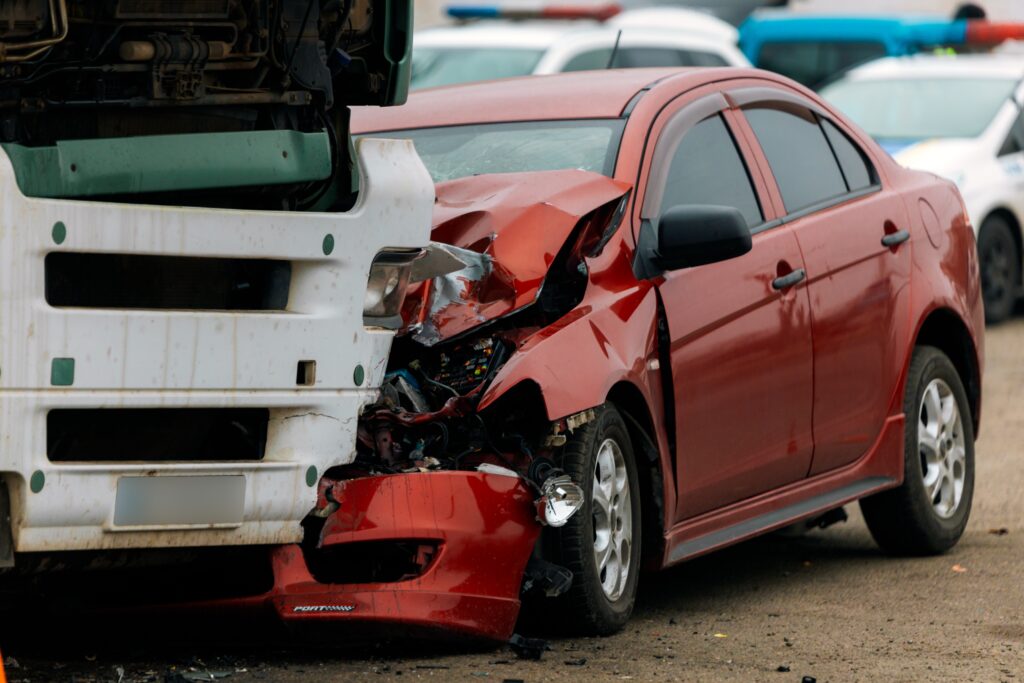
A serious truck accident can change a life in seconds. When a crash involves an 18 wheeler or other commercial vehicle, the injuries are often catastrophic and the financial losses can be overwhelming. Many Texans who are hurt in truck accidents are surprised to learn that even though trucking companies must follow strict insurance rules, their policy limits are not always high enough to cover the full extent of the victim’s damages.
The trusted truck accident attorneys at Tracey Fox & Walters can explain how commercial truck insurance works, which policies apply to injury claims, and why victims often need more than the trucking company’s primary liability policy to recover full compensation. Reach out today to discuss your trucking accident claim.
Why Insurance Coverage Matters in Texas Truck Accidents
Insurance coverage plays a major role in determining the value of a truck accident injury settlement in Texas. Because commercial trucks weigh far more than passenger vehicles and often travel long distances, the resulting injuries tend to be severe. This means victims may face long-term medical treatment, permanent disability, or an inability to return to work. The cost of these losses can easily exceed hundreds of thousands or even millions of dollars.
Truck Crashes Often Result in High Dollar Claims
A fully loaded tractor trailer can weigh up to 80,000 pounds. When that amount of force collides with a passenger car, the results are usually devastating. Victims may require emergency surgery, ongoing rehabilitation, long-term medical care, and accommodations for reduced mobility or chronic pain. When you add lost income, damage to earning capacity, and emotional losses such as pain and suffering, the total value of a claim often far exceeds the minimum insurance carried by many trucking companies.
Insurance Companies May Try to Minimize Payouts
Trucking companies and their insurers are financially motivated to limit what they pay out. After a crash, an insurance adjuster may attempt to downplay injuries, shift fault onto the victim, question the need for medical treatment, or pressure the injured person to accept a quick settlement. This behavior is common because once a settlement is signed, the insurer is no longer responsible for additional expenses, even if the victim’s condition worsens.
Required Commercial Truck Insurance in Texas
Not all commercial trucks operate under the same insurance requirements. The Federal Motor Carrier Safety Administration, or FMCSA, sets minimum coverage levels for trucks that travel across state lines. Texas also sets its own minimums for vehicles that operate solely within the state.
Federal vs. Texas State Requirements
FMCSA regulations require interstate trucking companies to carry a minimum amount of liability insurance. For most commercial carriers hauling general freight, the minimum is $750,000 in bodily injury and property damage coverage. Certain trucks must carry higher limits. For example, carriers hauling hazardous materials may be required to carry between 1 million and 5 million dollars in liability insurance depending on the cargo.
Texas has its own rules for intrastate trucks. These minimums vary based on the type of cargo and the weight of the vehicle. While the amounts may be lower or higher than federal requirements, the goal is the same. If a truck is operating on Texas roads, it must carry enough liability insurance to protect the public if a crash occurs.
Minimum Liability Insurance by Vehicle Type
While exact numbers depend on the type of truck and cargo, typical liability requirements include:
- At least $750,000 for general freight carriers
- At least $1 million for oil transport vehicles
- Up to $5 million for trucks carrying hazardous materials
These minimums apply only to primary liability insurance and do not include optional or supplemental policies that a trucking company might carry. Even though these amounts may seem high, they are often not enough to cover serious injuries.
Understanding the Types of Truck Insurance Coverage
A single commercial truck may be covered by multiple insurance policies. Each policy serves a different purpose and may or may not apply to an injury claim.
Primary Liability Coverage
Primary liability coverage is the main policy used to pay for bodily injury and property damage in a truck accident. This is the policy that federal and state laws require trucking companies to carry. It covers harm caused by the driver or the vehicle, including medical bills, lost income, and vehicle damage for victims. However, this policy is limited. Once the coverage caps are reached, the insurer has no obligation to pay more, even if the victim’s losses exceed the limit.
Cargo and Freight Insurance
Cargo insurance protects the goods being transported. It generally does not apply to personal injury claims, but it can become relevant in certain situations. For example, if improperly loaded cargo contributes to a crash, the shipping company or loading company involved may share liability. This may open the possibility of additional insurance coverage beyond the trucking company’s primary liability policy.
Umbrella and Excess Liability
Many trucking companies purchase umbrella or excess liability policies to provide extra coverage once primary limits are exhausted. These policies can add millions of dollars in available insurance, but they are not always disclosed voluntarily. It often takes detailed investigation and legal pressure to identify whether additional policies exist. Experienced truck accident attorneys know how to locate these policies and ensure they are included when calculating total compensation.
What Happens When Insurance Limits Are Not Enough?
Many victims discover that the trucking company’s primary policy does not come close to covering their full losses. When this happens, legal strategy becomes critical. There are several ways an injured person can pursue additional compensation.
Suing the Trucking Company Directly
If damages exceed policy limits, a victim may file a lawsuit against the trucking company. In some cases, the company itself may have assets that can be used to satisfy a judgment. A lawsuit may also reveal that the trucking company failed to follow safety rules, allowed untrained drivers behind the wheel, or neglected vehicle maintenance. These violations can increase the value of a claim and put additional pressure on the company to pay more than its insurance covers.
Exploring Other Liable Parties
Truck accident claims often involve more than one responsible party. Depending on the facts of the crash, others who may share liability include:
- Shipping companies that overloaded or improperly loaded cargo
- Brokers who hired unqualified carriers
- Maintenance contractors who performed inadequate repairs
- Truck or parts manufacturers who produced defective equipment
Each of these parties may carry their own commercial liability policies. By identifying all sources of liability, victims may be able to stack insurance coverage and substantially increase the compensation available.
How Tracey Fox & Walters Helps Clients Navigate Truck Insurance Complexities
Truck accident cases are very different from car accident claims. They are more complex, involve more parties, and often include significantly higher insurance limits. Navigating these cases takes a deep understanding of federal trucking rules, Texas insurance laws, and the strategies insurers use to avoid paying full value. Tracey Fox & Walters has extensive experience handling high stakes truck accident claims and has helped many clients secure the compensation they need to rebuild their lives.
Investigating All Insurance Policies
Tracey Fox & Walters can conduct detailed investigations to uncover every possible insurance policy connected to the truck, the driver, the trucking company, the shipper, and other involved parties. This includes analyzing FMCSA filings, reviewing corporate insurance structures, and demanding disclosure of umbrella or excess policies that may not be readily visible. By identifying all available coverage, the firm ensures that no potential source of compensation is overlooked.
Fighting for Fair and Full Compensation
When insurance companies attempt to minimize injuries or limit payouts, the attorneys at Tracey Fox & Walters are prepared to fight back. We build strong cases using accident reconstruction experts, medical specialists, and thorough documentation of client losses. Whether negotiating with insurers or taking a case to trial, our firm is committed to achieving the best possible outcome for each client.
If you or a loved one has been injured in a truck accident, contact us today at (713) 495-2333 for your free, confidential consultation. The big trucking and insurance companies will do everything they can to limit the amount they need to give for an accident. Get the experienced, trusted help you need to get the compensation you deserve.